Aircraft OEM Manufacturers · Electronics
Proprietary avionics cannot be honest inside someone else's I/O black box.
in-house boards and bus integration; the third OEM layer in the four-layer solution: your avionics interfaces, not a franchise gateway map you cannot audit under authority review
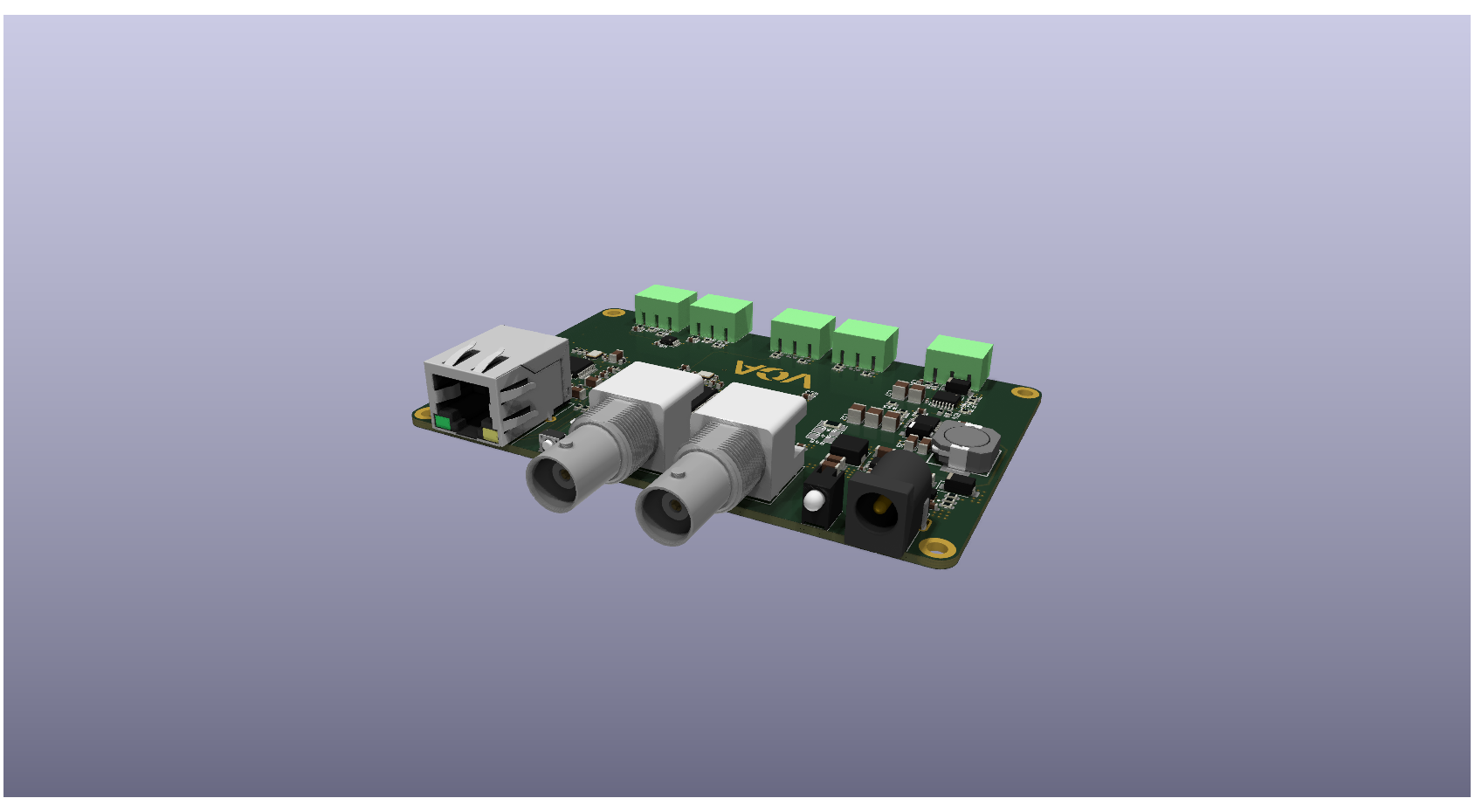
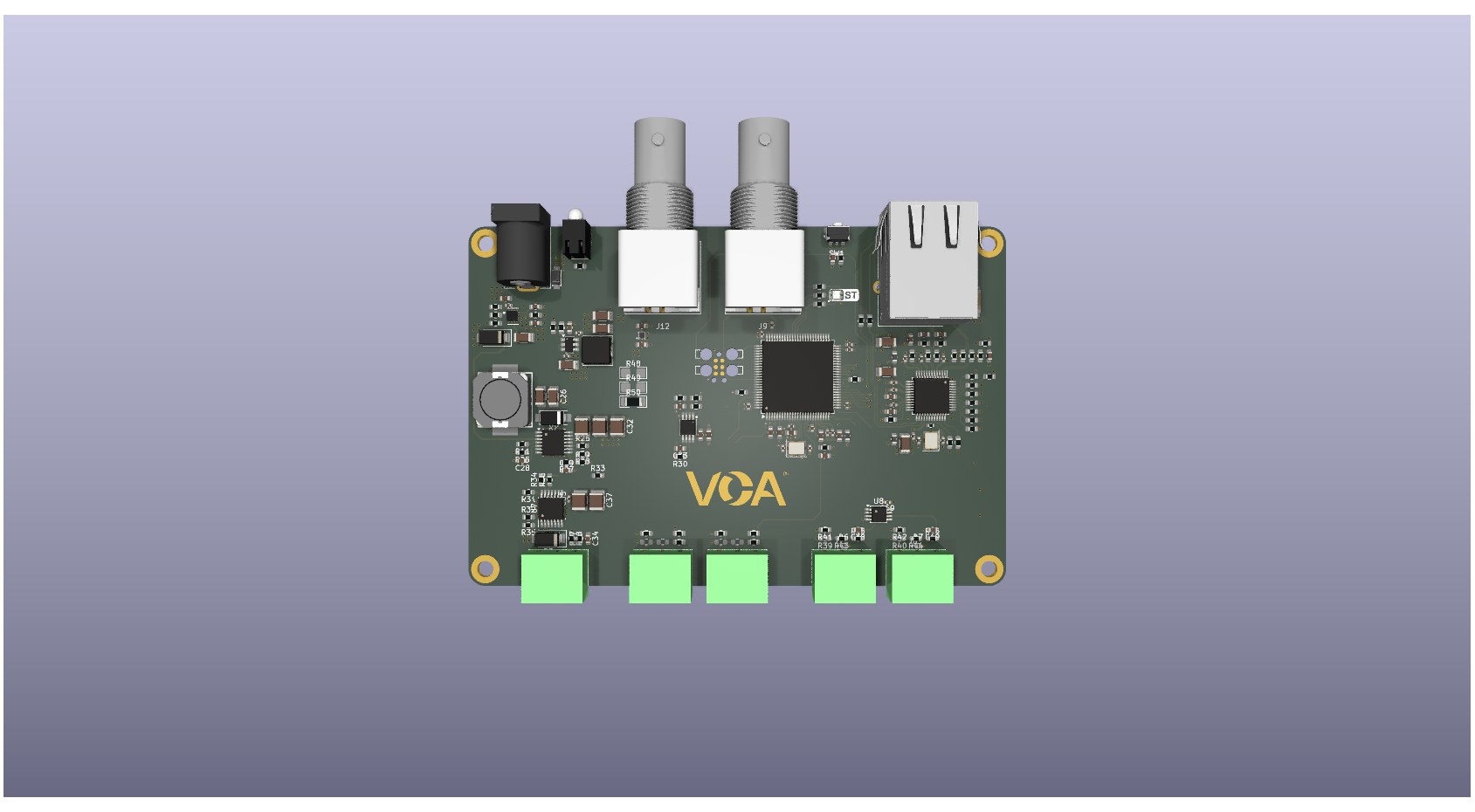
Custom PCBs, harness segmentation, LRU-facing connectors, and firmware bring-up developed beside VOA simulation software and type-specific cockpit hardware; so databus timing, discretes, and instrument edges match the aircraft you certify, and your programme retains schematic-level control instead of routing proprietary behaviour through opaque subcontractor bricks.
Discuss Your RequirementsWhen the interface layer is franchised, your type stops at the screen.
OEM aircraft carry integration paths that never appear on a Tier 2 price list. Shoehorning them into closed gateway SKUs forces software hacks, instructor workarounds, and QTG correlation gaps; the opposite of the custom-engineering differentiator OEM discovery emphasises.
The OEM deck warns that simulator builds distribute validation data. When diagnostics and timing live in someone else's module, your organisation loses end-to-end control of the electrical story; the same multi-decade configuration obligation, now at the LRU edge.
Undocumented harness swaps or gateway updates leave the device electrically different from the VDR/QTG baseline; exactly the post-certification drift EASA/FAA notification frameworks are designed to catch.
Avionics electronics owned by the same team as the engine and the cockpit metal.
VOA delivers the OEM electronics layer as native engineering: PCBs designed and revised in-house, ARINC 429 / ARINC 664 (AFDX) and proprietary paths scoped to your ICD, and hardware-in-the-loop instrument behaviour where qualification demands real LRU edges; integrated from layout with software dynamics and hardware geometry so evidence, executable, and bus truth stay one configuration thread.
Schematic and BOM discipline your integration leads can audit; no netlist locked behind an offshore catalogue number
Bus and discrete maps traceable to your interface control document, not a generic demo airport harness
Grounding, shielding, and high-density connector strategy for long OEM programme life, not intermittent showroom power cycles
Firmware bring-up coordinated with the IOS and flight model; IO cards evolve on your engineering cadence
Customisation path: add your type's electronics delta as a module when infrastructure already exists on site
Proof-aligned execution: ARINC-capable in-house electronics cited alongside OEM-data-validated software in the VOA OEM narrative