UAV Manufacturers · Certification
Waiting for the rulebook to finish before you document is how programmes miss the window.
validation and documentation workflows scoped for European and national contexts while UAV operator-training requirements mature; the fourth open layer delivered with the stack, not a binder compiled after a cockpit FFS vendor hands over iron
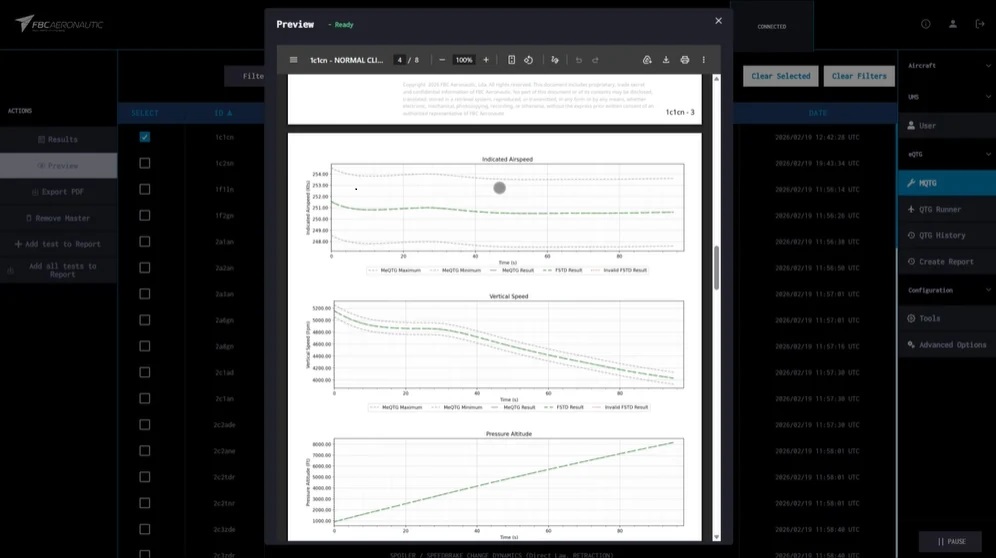
Structured validation planning, test discipline, and configuration evidence developed alongside simulation software, GCS hardware, and avionics electronics; so the training device story your regulators review stays traceable to the HIL baseline crews actually rehearse on when export control, air-gapped hosting, and fast iteration pressure all apply at once.
Discuss Your RequirementsAirliner qualification templates cannot narrate GCS operator training truthfully.
When packages assume cockpit credits and LRU panels that do not exist on your platform, reviewers find mismatches between narrative and hardware; professional risk for signatories trying to prove unmanned operator competence.
If software, metal, and electronics come from uncoordinated subcontractors, configuration states referenced in tests drift from the device on the training floor, exactly when EASA's evolving UAV framework will demand traceability, not slides.
The warning-sign response in UAV discovery is explicit: owning architecture before the standard hardens preserves flexibility. Bolting on paperwork after the rule set closes leaves your operator-training roadmap hostage to someone else's document template queue.
Certification discipline threaded through design; same team as dynamics, GCS, and buses.
VOA delivers the UAV certification layer as integrated engineering: validation capture and structured outputs coordinated with software builds, GCS configuration, and electrical baselines, with a clear boundary between artefacts VOA engineers from the stack and programme-specific authority submissions your organisation originates, agreed in discovery before review findings rewrite your timeline.
Validation planning early; regulatory timeline is a first-class input in S10 workshops, aligned to S9 platform and customisation tracks
Test structures and exports where civil FSTD-style rigour applies, without pretending your device is a narrow-body cockpit trainer
Calibration hooks, data acquisition, and cross-checks suited to HIL rehearsal; evidence that references the GCS edges operators manipulate
Change control coupled to software revisions, BOMs, and PCB spins; configuration your validation package can name when rules tighten
Honest national/European scoping; documentation workflows for EASA-oriented contexts named in S5, plus pathways discussed when sovereignty differs
Architecture-before-standard positioning from discovery warning table; software, hardware, and electronics stay inside one evidence thread as requirements crystallise
Certification pillar in the civil reference architecture: Solutions → Certification